




Maintenance and Care for Car Batteries

When you’re behind the wheel of a Volkswagen SUV, you’re driving more than just a vehicle—you’re relying on it to keep you moving. Whether you’re commuting across Littleton or planning a family road trip into the mountains, one thing you don’t want to deal with is a dead battery. While battery issues might seem like a minor inconvenience, they can quickly become a significant headache.
At McDonald Volkswagen, a trusted name in automotive care, we often field inquiries from drivers about battery life and maintenance. The solutions are straightforward, but being proactive can make a significant difference. Let’s delve into the steps to maintain a healthy battery, how to identify warning signs, and why proper battery care is crucial for your Volkswagen SUV.
Why Battery Maintenance Matters More Than You Think
It’s easy to overlook your battery until your car won’t start. But your battery powers more than the ignition. It supports everything from your headlights to climate control. With SUVs offering more features—especially in the latest Volkswagen models like the Atlas, Taos, and Tiguan—a healthy battery becomes even more critical.
The climate in Colorado can be unpredictable, which can wear down batteries faster than you’d expect. Cold mornings, hot afternoons, and daily short trips all put stress on the battery. If you’ve asked yourself, “How do I know if my battery is failing?” you’ve likely noticed a few signs already. Slow engine cranks, dim interior lights, or a blinking check engine light could be clues.
The good news is that battery maintenance isn’t complex—it’s all about consistency. With regular maintenance and a few simple checks, you can keep your Volkswagen SUV’s battery in top condition.
How Often Should You Check Your Car Battery?
It’s a fair question and one we hear often in our service department. We usually recommend testing your battery at least twice a year—before summer and before winter. Temperature swings are when weak batteries tend to give out.
If your Volkswagen SUV is more than three years old, you’ll want to stay especially alert. That’s typically the point where batteries start to lose performance. Some drivers also ask if the battery life differs between an SUV and a smaller sedan. The answer? It can—especially if your SUV has more technology or if you’re using it for towing or off-roading.
McDonald Volkswagen technicians can complete routine battery tests in just a few minutes during any regular maintenance visit. We’ll give you a quick readout of its charge and condition, so you’re not left guessing.
What Shortens a Battery’s Life?
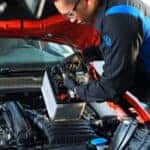 Several factors can lead to early battery wear. Frequent short trips are one of the biggest culprits. If you’re only driving for five or ten minutes at a time, your battery doesn’t have the chance to recharge fully.
Leaving interior lights or accessories on while the engine is off also drains power. A common question we get is whether cold weather kills a battery faster than heat. Cold starts strain a battery, but heat is more damaging in the long run. Extreme temperatures cause the fluid inside the battery to evaporate, which reduces its lifespan.
If you park outside most of the time, consider using a battery insulator during the winter or trying to keep your SUV shaded during hotter months. It’s a small change that can help protect your investment.
Cleaning and Caring for Your Battery
Even a strong battery can fail if the terminals are dirty or corroded. Over time, white or bluish residue may build up around the terminals, which creates resistance and weakens the connection to the engine.
Use a soft brush and a mixture of baking soda and water to remove buildup. Just be sure the engine is off and the cables are disconnected before you start. If you’re not comfortable doing this yourself, we’re happy to take care of it during your next service visit.
Also, take a quick look at the battery casing once in a while. If it looks swollen, cracked, or leaking—schedule a replacement. Even if your vehicle still starts, a damaged battery is unpredictable and can leave you stranded.
Do Volkswagen SUVs Have Special Battery Needs?
Volkswagen designs its SUVs with dependability in mind. Whether you’re driving a fuel-powered Tiguan or an electric ID.4, battery performance plays a central role.
Electric SUVs, of course, use high-voltage lithium-ion batteries that need different care than traditional 12-volt ones. But even traditional models use their batteries to support a wide range of advanced features—from touchscreen navigation systems to adaptive cruise control.
That’s why Volkswagen recommends OEM-certified batteries. These match your vehicle’s electrical system and help avoid glitches or reduced performance. If you’ve ever wondered if you can replace your battery with an aftermarket one, the answer is yes—but it may not deliver the same quality or reliability.
For genuine peace of mind, always go with parts tested and approved by Volkswagen.
Warning Signs You Shouldn’t Ignore
 A battery doesn’t usually fail without a few clues. If you turn the key and hear a slow crank, or if your dashboard lights flicker when you start the engine, don’t wait.
Even if your SUV still starts, these are early signs that something isn’t right. Some customers also ask whether a check engine light can be related to battery issues. The answer is yes—it’s not always the battery, but voltage fluctuations can trigger warning signals.
If your Volkswagen SUV uses keyless entry or push-button start, weak battery voltage can interrupt these functions, too. Don’t let minor inconveniences snowball into bigger ones.
How Long Should a Car Battery Last?
On average, a well-maintained car battery lasts three to five years. That range depends on usage, weather, and maintenance habits. Some drivers think battery life equals mileage, but it’s more about how and where you drive.
SUV drivers who frequently transport heavier loads or use their vehicles for outdoor adventures may experience shorter battery lifespans due to increased electrical demand. That’s one reason why routine inspections are so necessary, especially before long trips or seasonal changes.
If a customer’s battery is over three years old and has been awaiting inspection for more than six months, we often recommend a check.
Stay Ahead of the Problem
Battery maintenance may not be the most thrilling task, but it can certainly spare you from unexpected breakdowns. A brief inspection now can prevent the need for roadside assistance later, putting you in the driver’s seat of your vehicle’s reliability.
At McDonald Volkswagen, our team makes it easy. Whether you’re due for a battery test, need a replacement, or want advice about how to care for your Volkswagen SUV, we’re here to help.
We offer complimentary multi-point inspections with every service, and we’ll walk you through the results in plain language. If something looks off, we’ll explain your options clearly—no pressure, no guesswork.
Let your SUV work for you—not the other way around.

0 comment(s) so far on Maintenance and Care for Car Batteries