





Does the Volkswagen Require Premium Gas?

As a responsible Volkswagen driver, you want to ensure you’re doing everything possible to keep your vehicle in tip-top shape when cruising around Littleton, Parker, and Castle Rock, CO, for years to come. One thing that factors into the longevity of your vehicle’s health is the type of fuel you put into your vehicle.
A question on a lot of the minds of Volkswagen drivers is if Volkswagen requires premium gas. To answer this question, we at McDonald Volkswagen have created this reference guide. After reading, you’ll know all there is to learn about the required fuel for Volkswagen vehicles.
Does the Volkswagen Require Premium Gas?
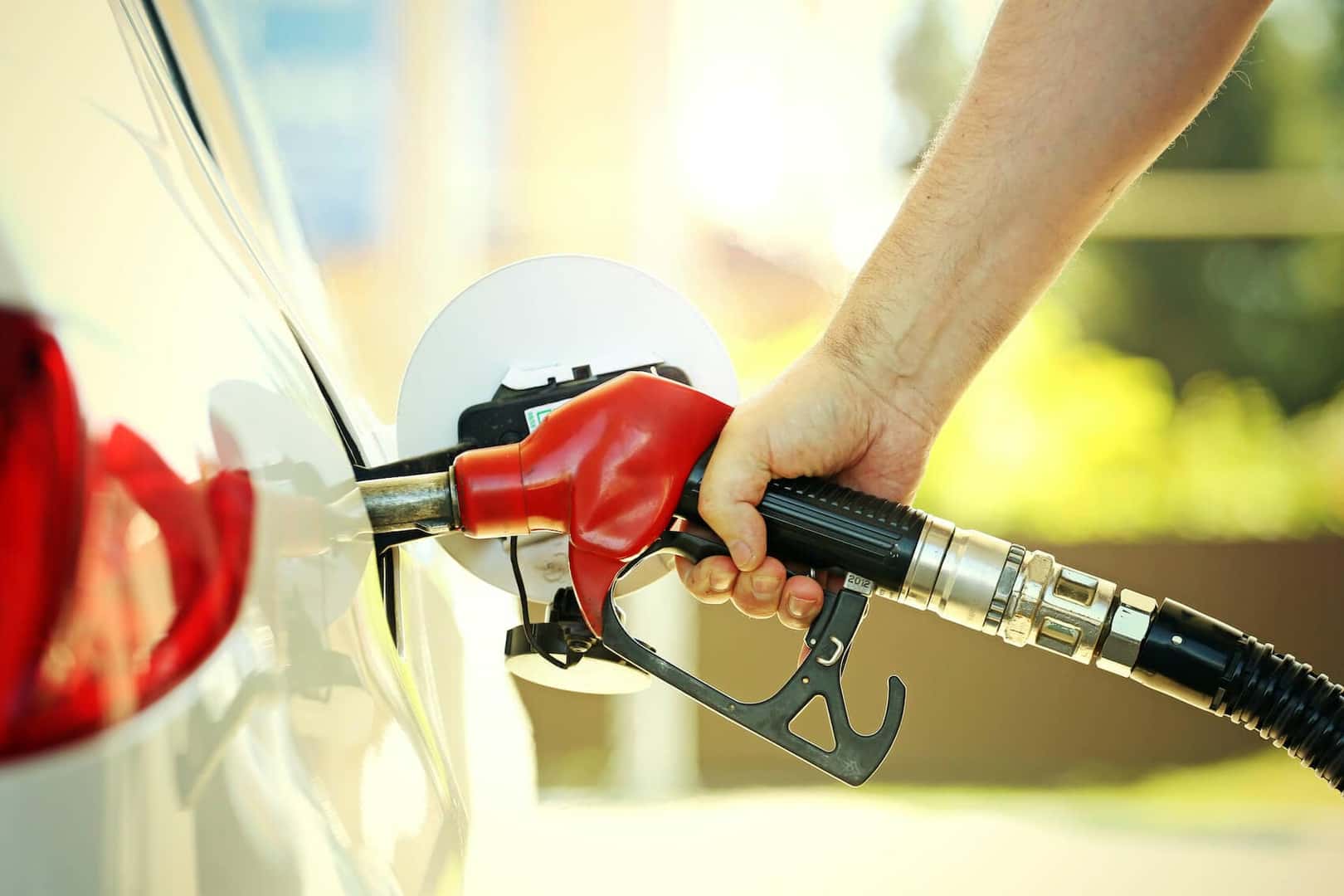 In simplest terms, no. Volkswagen vehicles do not require premium gas.
However, many Volkswagen vehicles, like the 2021 Volkswagen Tiguan and 2020 Volkswagen Jetta, are equipped with turbocharged engines. Turbocharged engines run best when fueled with high octane fuel, which is found in premium gas.
Since many vehicles are made to run normally with regular gas, premium gas isn’t a requirement, but it may help to better optimize your vehicle’s performance.
Regular Gas vs Premium Gas: What’s the Difference?
Why does it matter what type of gas you put into your car? Is there really any difference between regular gas and premium gas? While both are similar, premium gas is higher in octane rating. The higher the octane rating, the better the fuel’s ability is to prevent knocking sounds in your car’s engine.
Regular gas usually has an octane rating of 87. Premium gas, on the other hand, has an octane rating of anywhere from 87 to 91.
Volkswagen Fuel Efficiencies
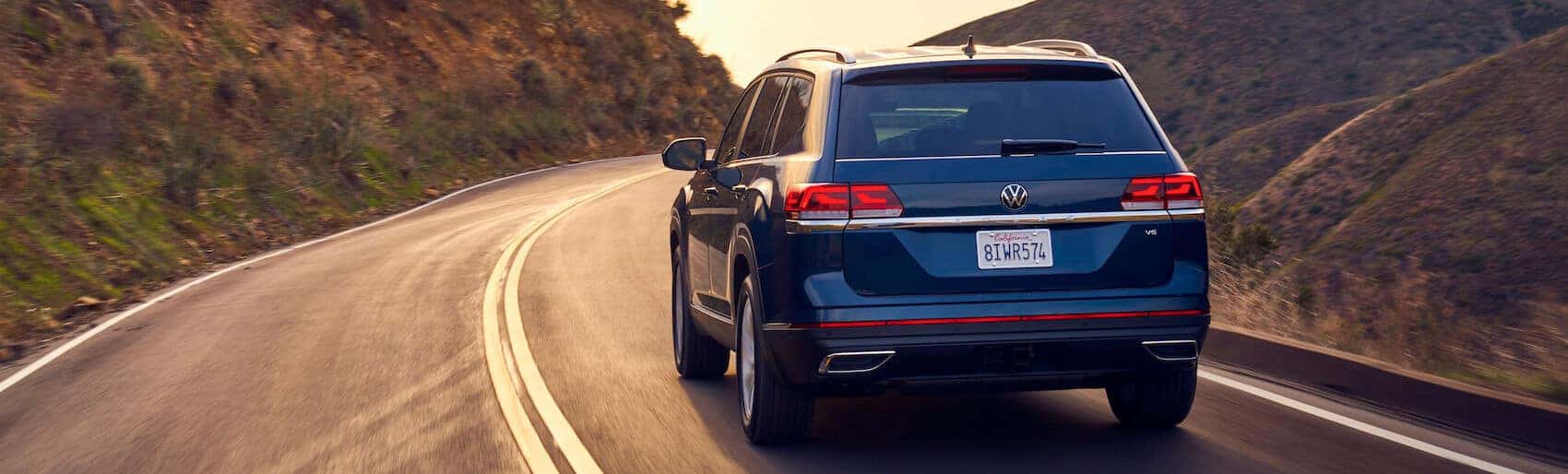
Whether you drive a spacious SUV like the 2021 VW Tiguan or a sport sedan like the 2020 VW Jetta, you have access to impressive fuel efficiencies that’ll help you get around town for miles at a time, all while likely making fewer stops at the pump.
|
Volkswagen Fuel Efficiencies |
||
|
Vehicle |
EPA-estimated MPG |
Fuel tank capacity |
|
VW Tiguan |
EPA-estimated 23 city/29 highway MPG* |
15.9 gallons |
|
VW Jetta |
EPA-estimated 30 city/40 highway MPG** |
13.5 gallons |
Volkswagen vehicles, whether an SUV or a sedan, come equipped with impressive fuel efficiencies. Thanks to these EPA-estimated fuel efficiencies and their large fuel tanks, you can zig-zag across town and spend the whole day running errands likely without ever having to put your travels on hold to refill your tank.
Related Posts:
Learn More About Gas Requirements for Your Volkswagen
Premium gas is recommended for Volkswagen drivers, but it is not required. Regular gas will help keep your vehicle running smoothly on your commutes in and around Littleton, Parker, and Castle Rock, Colorado. The only difference between refueling with premium vs. regular gas is a more enhanced engine performance thanks to the higher octane rating that’s included with premium fuel.
To learn more about regular vs. premium gas, your Volkswagen vehicle’s EPA-estimated fuel economy, and other ways to keep your vehicle healthy, head over to the service center at our McDonald Volkswagen dealership. Our technicians are here to answer any questions you may have.
Contact us by phone or online or visit us in person today to learn more!
FAQ
Q: What type of gas does a VW take?
A: Most Volkswagen models are designed to run on regular unleaded gas, which typically has an octane rating of 87. However, some high performing VW models may require premium unleaded gas which has an octane rating of 91 or higher.
Q: Can I put regular gas in a premium car?
A: It depends on the specific car and its engine. Many cars that are designed to run on premium gas can also run on regular gas without damage to the engine. However the car’s performance and fuel efficiency may be compromised, as the engine may not run as smoothly and efficiently on regular gas.
Q: What happens if I put premium gas in a non-premium car?
A: Putting premium gas in a car that is designed to run on regular gas will not cause harm to the engine, but it won’t provide any noticeable benefits either.
*23 city/29 highway mpg (2021 Tiguan 2.0L 8-speed automatic transmission). EPA estimates. Your mileage will vary and depends on several factors, including your driving habits and vehicle condition.
**30 city/40 highway mpg (2020 Jetta 1.4L 6-speed manual transmission). EPA estimates. Your mileage will vary and depends on several factors, including your driving habits and vehicle condition.
