





Cost of Keeping a Volkswagen: Maintenance Expenses
Volkswagen vehicles are known for quality engineering, but ownership brings questions about ongoing care. Whether you drive a Tiguan, Atlas, Jetta, or ID.4, understanding regular maintenance expectations can significantly impact your vehicle’s performance—and its trade-in value.
Many drivers ask if Volkswagens are expensive to maintain. Mileage, model, and maintenance habits all shape the answer. Drivers who follow their recommended schedule closely tend to avoid premature wear. At the same time, those who delay service may need attention sooner—especially if their vehicle sees heavy use or short, frequent trips. Understanding the actual cost of ownership gives you an advantage when it’s time to upgrade or trade in your car.
What Regular Volkswagen Maintenance Looks Like
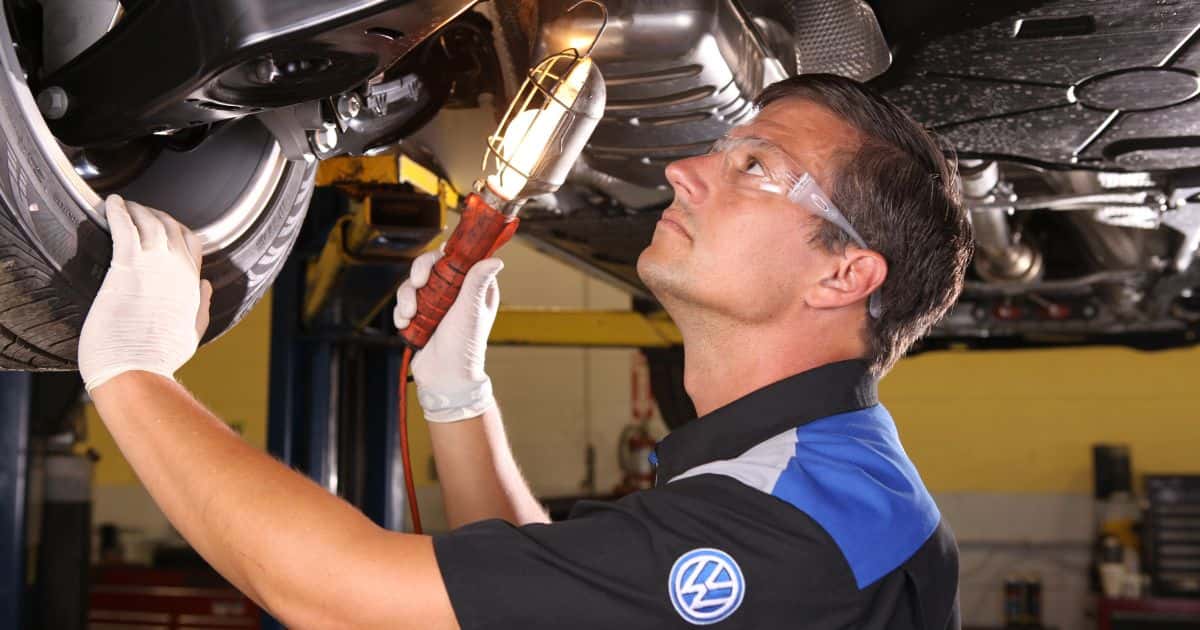
Routine maintenance includes oil changes, brake inspections, tire rotations, fluid replacements, and filter checks. On average, most Volkswagen models need service every 10,000 miles, but some newer models offer extended intervals. Sticking to this schedule helps avoid expensive repairs later.
Service visits typically cost between $100 and $300, depending on the model and type of service. For example, a basic synthetic oil change may run around $120 at a certified dealership, while brake pad replacements can be $250–$400 per axle.
People often wonder, “How does this compare to other brands?” While some luxury vehicles have higher service costs, Volkswagen stays relatively affordable thanks to widely available parts and efficient service timelines. This balance of value and performance makes upkeep manageable for most owners.
How Maintenance Affects Car Trade-In Value
 One of the biggest influences on car trade-in value is service history. A well-documented maintenance record signals to dealerships that the vehicle was cared for, which alone can raise your trade-in offer significantly compared to a similar car without records.
At McDonald Volkswagen, we’ve seen vehicles with complete service histories hold their value better—even at higher mileage. Keeping receipts, sticking to scheduled service, and working with certified technicians adds peace of mind and value when it’s time to consider a newer model.
Some people ask if it’s worth doing all the maintenance at the dealership. While local shops may offer lower upfront pricing, certified service centers like ours use Volkswagen-approved parts and ensure the work meets manufacturer standards. That matters when appraisers review your vehicle.
Common Volkswagen Maintenance Costs by Model
Different Volkswagen models have different upkeep costs, but none are unreasonable when spread out over time. Here’s a breakdown of what owners typically spend across key models:
Volkswagen Jetta
The Jetta is one of the most affordable to maintain. Oil changes, spark plug replacements, and tire care usually keep annual maintenance under $600. Its reputation for efficiency helps hold value well.
Volkswagen Tiguan
This compact SUV requires more care, especially with all-wheel drive systems. Expect average yearly maintenance costs around $750. If properly maintained, it retains a strong resale value.
Volkswagen Atlas
Larger and more powerful, the Atlas may require more investment. Items like larger tires and brake pads tend to cost more. Annual maintenance can run between $800 and $1,000.
Volkswagen ID.4
Electric vehicles use fewer moving parts than traditional gas-powered cars, so they require less maintenance overall. The ID.4 requires less frequent service, primarily consisting of tire rotations and brake fluid checks. This lower upkeep helps balance its initial investment.
If you’re asking, “Which model is cheapest to keep up?” The ID.4 wins in the long run, while the Jetta remains budget-friendly for gas-powered choices.
Service Plans and Long-Term Savings
Volkswagen offers prepaid service plans, which can lower overall costs and protect against inflation. These plans bundle maintenance into one upfront price, giving owners predictability. Many new buyers wonder if service plans are worth it—and for drivers who plan to stay with the brand for years, they often are.
At our dealership in Littleton, we’ve noticed that customers who use service plans tend to get better value at trade-in time. Their vehicles show fewer signs of neglect and are more attractive for resale.
Prepaid plans help drivers stay on top of maintenance by removing cost-related hesitation. Drivers complete oil changes and other critical checks without delay when they’ve already paid for service—keeping performance sharp and preventing issues before they start.
What About Major Repairs?
 Beyond routine care, some owners worry about bigger repairs—timing belts, transmission service, or battery replacements. These items vary depending on driving style and mileage. For many Volkswagen models, major repairs are rare during the first 100,000 miles, especially with consistent care.
Volkswagen’s warranties cover many of these issues early on, and extended warranties are available to protect against later repairs. The key is to act early. Vehicles that skip preventive service are far more likely to experience problems—and lower their trade-in value in the process.
If you’ve asked yourself, “Does maintaining my car really help at trade-in?” The answer is yes. Well-cared-for vehicles can be worth thousands more when you’re ready to trade.
How Weather and Driving Habits Impact Maintenance
Colorado’s climate plays a role in how often specific components wear out. Cold winters can affect battery performance and tire pressure, while mountain driving puts more strain on brakes and suspension.
Those who drive frequently on hills or unpaved roads may need more frequent tire rotations and alignment checks. Short, stop-and-go driving wears down oil faster than highway cruising, so drivers often need to schedule oil changes earlier than factory intervals recommend.
At McDonald Volkswagen, our service team adjusts maintenance advice based on how and where you drive—not just the odometer reading. This personalized care helps owners reduce surprise repairs and keep their vehicles in top condition.
Maintaining Your Volkswagen and Planning Ahead
The smartest maintenance plan is one that anticipates future needs. Scheduling regular service checks before warning lights appear not only prevents bigger problems—it builds trust with your vehicle.
Volkswagen owners often ask, “Is it better to sell or trade in?” The answer depends on the condition, miles, and model. However, vehicles with full service histories almost always fetch better car trade-in value. Dealerships are willing to pay more for vehicles that have clearly been cared for.
Another common question is whether aftermarket modifications affect value. In many cases, they do. Stick to factory parts and certified accessories when possible if you’re hoping to maintain higher value down the line.
Keep Your Volkswagen Performing at Its Best
Owning a Volkswagen means enjoying reliable performance, style, and comfort—but it also means staying on top of regular care. Thankfully, maintenance costs are reasonable and often predictable, especially when working with a certified dealership like ours.
At McDonald Volkswagen in Littleton, CO, we make maintenance simple and efficient. Whether you’re looking for expert service, planning your next upgrade, or curious about your car’s trade-in value, our team is here to help.

0 comment(s) so far on Cost of Keeping a Volkswagen: Maintenance Expenses