






Choosing the Right Car Battery for Your Volkswagen
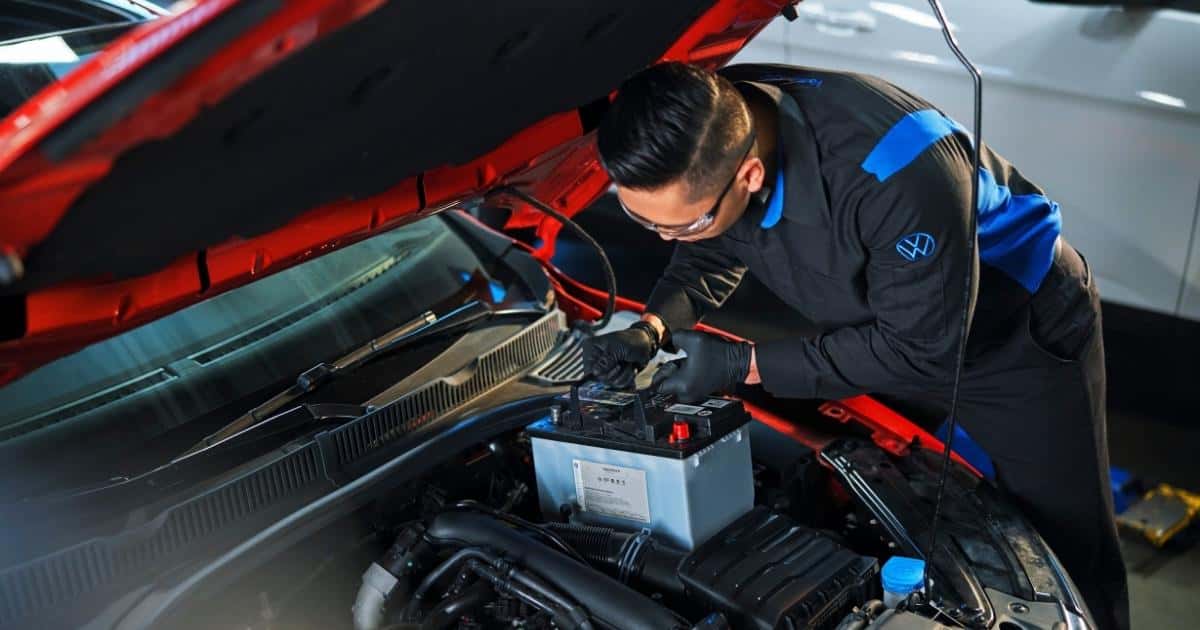
Picking a car battery involves more than just size or brand. It’s important to understand how different batteries function and which one matches your vehicle’s electrical demands. Volkswagen vehicles use batteries that vary by model, engine type, and onboard technology. Some drivers ask: Is there a universal battery that fits all Volkswagens? The answer is no—each vehicle requires a battery matched to its specific performance and power requirements.
Empower yourself by understanding your car’s battery needs, which begins with the owner’s manual. Battery performance can also be affected by external factors like climate conditions and individual driving habits. For instance, colder temperatures reduce a battery’s cranking power, making proper selection critical in places like Colorado.
It’s also worth noting that older batteries might not be able to support newer software updates or systems added during vehicle upgrades. As vehicle tech evolves, ensuring compatibility with your car’s onboard systems becomes increasingly important.
Lead-Acid Batteries: The Longtime Standard
Lead-acid batteries are the oldest and most common type used in internal combustion engine vehicles. They provide a high burst of power to start the engine and are relatively inexpensive. This makes them a frequent choice for drivers seeking a cost-effective solution.
However, they are less efficient in handling modern energy loads and require more frequent maintenance. These batteries typically last three to five years and are best suited for vehicles without many electronic features or start-stop systems. They’re a practical choice in mild climates and for vehicles with straightforward power needs.
Another crucial factor to consider is recycling. Lead-acid batteries are among the most recycled consumer products. When disposed of properly, nearly all components, including lead, plastic, and acid, can be reclaimed. This not only promotes environmental responsibility but also ensures that these resources are reused, reducing the need for new materials.
AGM Batteries: Designed for Higher Demands
AGM (Absorbent Glass Mat) batteries are a more advanced version of the traditional lead-acid battery. They are built to manage higher energy consumption and repeated engine starts, making them well-suited for vehicles with stop-start functionality, advanced safety systems, and infotainment setups. Choosing AGM batteries can give you confidence in your vehicle’s performance.
They also offer improved resistance to vibration and are completely sealed, eliminating the need for water refills and minimizing the risk of acid spills. This design reduces the risk of performance loss due to weather or road conditions. Drivers often wonder: Is it okay to switch from AGM to lead-acid? In most cases, if your car came with an AGM battery, it’s best to replace it with the same type to avoid electrical inconsistencies.
AGM batteries also tend to maintain voltage better under load, which means fewer fluctuations in electrical performance when using accessories such as headlights, heated seats, or navigation systems.
Lithium-Ion Batteries: Lightweight and Long-Lasting
 Due to their efficiency and energy density, more and more electric vehicles and plug-in hybrids are now powered by lithium-ion batteries. Known for their lightweight build and ability to hold a charge longer, these batteries represent a shift toward more energy-efficient vehicle technology.
Volkswagen’s electric lineup, such as the ID.4, relies on lithium-ion systems for power. They’re built to endure thousands of charge cycles and maintain stable voltage levels, contributing to better acceleration and energy efficiency. However, they are not interchangeable with traditional batteries used in gas-powered models. Their high cost is offset by their longevity and lower maintenance needs.
For those new to EVs, common questions include: Do lithium-ion car batteries require special care? The answer is yes—thermal management systems are often included in the battery housing to regulate temperature and protect the cells.
Lithium-ion batteries are also less prone to self-discharge, meaning they retain a charge longer when not in use. This makes them ideal for EVs that spend extended periods parked or are used occasionally.
Signs Your Battery May Be Failing
Being proactive in recognizing early symptoms of battery failure can help you avoid breakdowns. Common indicators include slow engine cranking, flickering interior lights, and an illuminated battery warning icon on the dashboard. Cold temperatures can sometimes prevent the vehicle from starting entirely.
Physical signs, such as bloating or leaking, also suggest the battery should be tested or replaced. Battery performance can drop suddenly, so a scheduled check every six months—especially before winter—can prevent issues.
In addition, unusual smells—such as a strong rotten egg odor—can indicate a leaking or overheated battery. Regular inspections can catch these warning signs early.
Battery Installation: DIY or Professional Service?
Replacing a battery may seem simple, but vehicles equipped with advanced electronics often require a professional reset of the Battery Management System (BMS). Installing a mismatched battery can affect vehicle functionality, including features like auto start-stop, stability control, or adaptive cruise control.
For those confident in vehicle maintenance, replacing a lead-acid battery might be manageable with proper tools. However, installing AGM or lithium-ion batteries often requires knowledge of their specific handling and disposal procedures.
Battery replacement is also a good time to inspect the battery tray, hold-down clamp, and terminal connections for wear or corrosion. These components contribute to overall battery performance and safety.
How to Extend Battery Life
 Battery life depends on various factors—temperature extremes, driving habits, and accessory usage all contribute. Here are several ways to extend the life of your car battery:
- Avoid frequent short trips that prevent full recharging.
- Keep terminals clean and secure to maintain proper connection.
- Turn off lights and infotainment systems when the engine is off.
- During warmer months, keep your vehicle parked in a garage or shaded area to help protect it from heat damage.
For cars that sit unused for a while, a trickle charger is a smart way to keep the battery healthy and prevent it from draining. Adding a battery insulation kit in colder regions can help retain heat, reduce startup strain, and maintain optimal battery performance.
Final Thoughts on Choosing a Battery
There’s no one-size-fits-all answer to battery replacement. What’s best for one Volkswagen may not work for another. The key is to evaluate your driving habits, the local climate, and the technology your vehicle supports.
Choosing the appropriate battery helps ensure consistent performance and protects sensitive vehicle systems. A reliable battery not only improves start times but also supports every electric feature you use on the road.
For more detailed insights on performance differences and long-term battery care, check out our post on Understanding Car Batteries, which breaks down the science behind battery chemistry and charging behavior.
Need Help Finding the Right Battery?
If you’re unsure which battery is right for your Volkswagen or you have questions about installation, don’t hesitate to reach out to a certified service expert. Acting early can help you avoid unnecessary stress and delays down the road. Explore your options, compare types, and make a confident decision—your vehicle’s reliability depends on it.
For personalized assistance and genuine parts, contact McDonald Volkswagen in Littleton, CO. Our team is here to help you select and install the right battery with confidence. Stop by or give us a call today.

0 comment(s) so far on Choosing the Right Car Battery for Your Volkswagen