




Which Has Better Standard Safety the Volkswagen Tiguan or RAV4
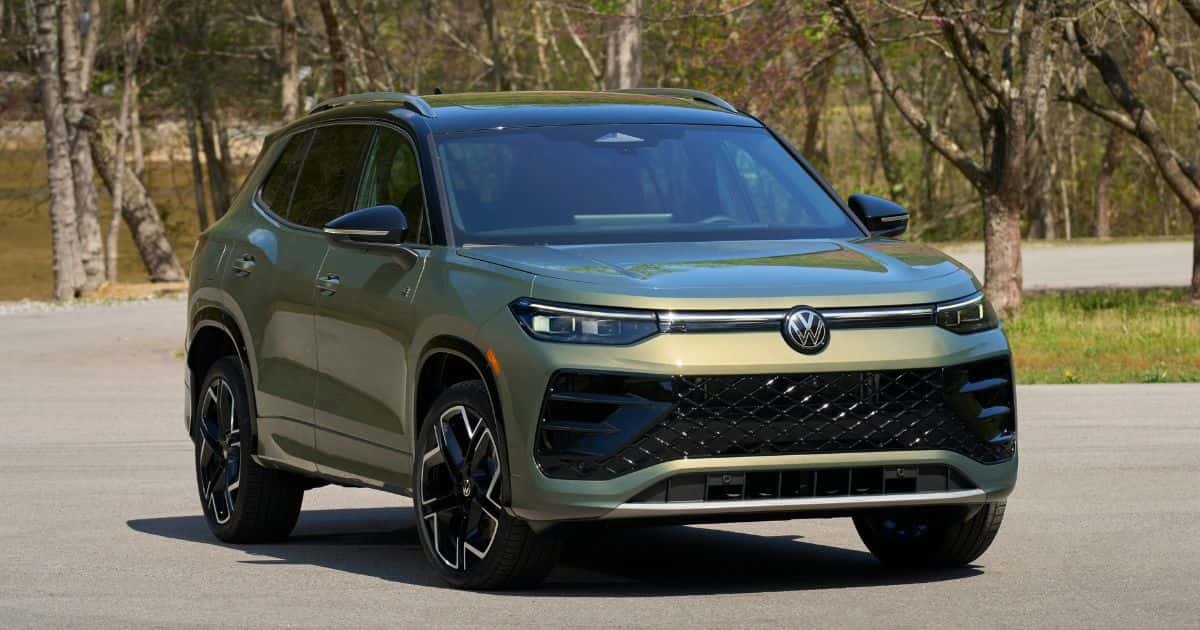
Safety technology has become an important part of shopping for a compact SUV. Features that once required an expensive package, such as adaptive cruise control and lane assistance, now come standard on many new vehicles. The Volkswagen Tiguan and Toyota RAV4 both reflect that shift with comprehensive driver-assistance systems.
For drivers considering Volkswagen Tiguan car leasing, the key question isn’t simply which SUV has more safety features. It is which useful technologies come standard before moving into higher trims or adding options. The 2026 Tiguan brings Volkswagen’s IQ.DRIVE® technology into the conversation, while the redesigned 2026 RAV4 introduces Toyota Safety Sense™ 4.0. Both are strong, but their approaches differ in ways worth understanding.
How Do the Tiguan and RAV4 Compare on Standard Safety?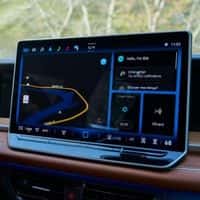
Both compact SUVs start with a substantial set of active safety and driver-assistance technologies. The Tiguan uses Volkswagen’s IQ.DRIVE®, a collection of systems designed to support drivers on the highway, during lane changes, when following traffic, and in other common situations. Volkswagen says IQ.DRIVE® is standard on its new automatic 2026 vehicles.
Toyota equips every 2026 RAV4 with its updated Toyota Safety Sense™ 4.0 suite. It includes collision detection and braking support, adaptive cruise control, lane-related assistance, road-sign recognition, and automatic high beams.
| Standard Safety Technology | 2026 Volkswagen Tiguan | 2026 Toyota RAV4 |
|---|---|---|
| Forward Collision Warning | Yes | Yes |
| Automatic Emergency Braking | Yes | Yes |
| Pedestrian Detection | Yes | Yes |
| Adaptive Cruise Control | Yes | Yes |
| Lane Assistance | Yes | Yes |
| Blind Spot Monitoring | Yes | Yes |
| Rear Cross-Traffic Alert | Yes | Yes |
| Semi-Automated Driving Assistance | Travel Assist | Lane Tracing Assist |
| Driver Inactivity Assistance | Emergency Assist | Emergency Driving Stop System, most grades |
| Automatic High Beams | Yes | Yes |
Neither SUV has a clear advantage simply because it offers modern safety technology. Both provide broad standard coverage. The differences become clearer when looking at how individual systems work together.
What Does Volkswagen IQ.DRIVE® Include?
IQ.DRIVE® combines several driver-assistance technologies rather than treating each feature as an isolated system. On the Tiguan, these technologies include Travel Assist, Adaptive Cruise Control, Active Blind Spot Monitor, Rear Traffic Alert, Front Assist, Emergency Assist, and Lane Assist.
Front Assist can recognize an impending forward collision, warn the driver, provide braking support, and initiate automatic braking within system limitations. Depending on vehicle equipment and conditions, the system can recognize vehicles and pedestrians.
Travel Assist Adds Another Layer of Support
Among the Tiguan’s standard driver-assistance technologies is Travel Assist, which works with Lane Assist and Adaptive Cruise Control. The system can help the driver maintain a selected following distance from traffic ahead while providing steering assistance to keep the vehicle in its lane.
Emergency Assist provides another layer of support. When its operating conditions are met, it can recognize driver inactivity and may help keep the Tiguan in its lane while slowing the vehicle to a stop if necessary.
These technologies do not make the Tiguan autonomous. Driver-assistance systems require an attentive driver, and weather, road markings, visibility, and other conditions can affect their operation.
What Does Toyota Safety Sense™ 4.0 Include?
Toyota has also built an extensive standard safety package into the 2026 RAV4. Toyota Safety Sense™ 4.0 is standard across the 2026 RAV4 lineup and introduces updated hardware and detection capabilities.
The suite includes a Pre-Collision System with Pedestrian Detection, Full-Speed Range Dynamic Radar Cruise Control, Lane Departure Alert with Steering Assist, Lane Tracing Assist, Road Sign Assist, Automatic High Beams, and Proactive Driving Assist.
The RAV4 Takes a Broad Detection Approach
Under certain operating conditions, the RAV4’s Pre-Collision System can detect vehicles, pedestrians, bicyclists, and motorcyclists in its path. If the system determines that a frontal collision may occur, it can alert the driver with visual and audible warnings and, when necessary, may provide automatic braking assistance if the driver does not take action.
Lane Tracing Assist can provide steering support while working with other driver-assistance functions. Road Sign Assist adds another useful feature by helping identify certain signs and presenting relevant information to the driver.
Tiguan Versus RAV4 Standard Safety at a Glance
When comparing these SUVs, it helps to separate the amount of technology from the everyday experience. Toyota Safety Sense™ 4.0 covers a wide range of situations, while Volkswagen’s IQ.DRIVE® combines several functions into an integrated assistance package.
| Safety Area | Tiguan Approach | RAV4 Approach |
|---|---|---|
| Frontal Collision Support | Front Assist | Pre-Collision System |
| Highway Following | Adaptive Cruise Control | Dynamic Radar Cruise Control |
| Lane Support | Lane Assist | Lane Departure Alert with Steering Assist |
| Lane Centering | Travel Assist | Lane Tracing Assist |
| Blind Spot Support | Active Blind Spot Monitor | Blind Spot Monitor |
| Reversing Support | Rear Traffic Alert | Rear Cross-Traffic Alert |
| Driver Inactivity | Emergency Assist | Emergency Driving Stop System, most grades |
| Road Sign Recognition | Available depending on equipment | Included within TSS 4.0 |
The comparison is therefore closer than simply declaring one system universally better. The Tiguan is particularly compelling for shoppers who prefer how IQ.DRIVE® bundles highway assistance under Travel Assist. At the same time, the RAV4 provides an extensive standard Toyota Safety Sense™ package with features such as Road Sign Assist and an Emergency Driving Stop System on most grades.
 What About the Tiguan’s Crash-Test Performance?
Active driver-assistance technology represents just one aspect of overall vehicle safety, with occupant protection and crashworthiness also playing important roles. The 2026 Tiguan received a five-star overall safety rating from the National Highway Traffic Safety Administration in both front-wheel-drive and all-wheel-drive configurations.
Individual testing results are more nuanced. NHTSA lists five-star side-crash results and a four-star rollover rating. Frontal results are five stars for the driver and four stars for the passenger. These differences illustrate why buyers should avoid reducing vehicle safety to a single badge or feature.
Crash ratings and driver-assistance technology measure different things. Crashworthiness evaluates how a vehicle protects occupants during specific tests, while active safety technology is intended to help drivers avoid or reduce certain collisions. A complete comparison should consider both.
Does Safety Matter When Leasing a Tiguan?
Safety matters more when leasing because drivers typically choose a newer vehicle for a defined period. Leasing can provide access to current-generation driver-assistance systems without requiring long-term ownership.
Drivers exploring Tiguan lease options should still compare more than the monthly payment. Trim, drivetrain, mileage allowance, lease term, amount due at signing, and included equipment all matter. Confirm safety equipment for the exact vehicle, since specifications and availability can change.
If you are comparing the vehicles beyond safety, How the Volkswagen Tiguan Compares to the Toyota RAV4 provides a broader look at the two compact SUVs and can help place these safety differences in the context of everyday ownership.
Which SUV Makes Sense for Colorado Driving?
Colorado presents situations where driver-assistance technology can be useful. Commuting between Littleton and Denver may involve dense highway traffic, while trips toward the mountains can introduce rapidly changing weather and road conditions.
Adaptive cruise control and lane assistance can reduce workload on longer highway drives. Blind-spot monitoring can add awareness in heavy traffic, while rear cross-traffic systems help when backing out of crowded parking areas.
No system can compensate for snow, ice, poor visibility, worn tires, or inattentive driving. Driver-assistance features support the driver rather than replacing safe driving habits. Proper tires, adjusting speed to conditions, and staying attentive still matter no matter which SUV you choose.
So Which Has Better Standard Safety?
No single model has an overwhelming advantage based on standard equipment alone. Both the 2026 Volkswagen Tiguan and 2026 Toyota RAV4 provide extensive standard driver-assistance technology, making either a strong choice for safety-conscious compact SUV shoppers.
The Tiguan makes an especially strong argument with the integrated functionality of IQ.DRIVE®. Travel Assist combines adaptive cruise and lane-centering assistance, while Emergency Assist adds another useful layer of driver support. The RAV4 counters with the newly updated Toyota Safety Sense™ 4.0 suite and broad detection capabilities, plus an Emergency Driving Stop System on most grades.
For shoppers around Littleton, Parker, Castle Rock, and the Denver metro area, the best approach is to experience the systems rather than compare names on a specification sheet. McDonald Volkswagen can demonstrate how the Tiguan’s assistance technologies operate and help shoppers compare trims, available equipment, and financing and leasing options based on their actual driving needs.

0 comment(s) so far on Which Has Better Standard Safety the Volkswagen Tiguan or RAV4