Open Today Sales: 9 AM-7 PMOpen Today Service: 7 AM-6 PM





Is your vehicle due for brake repair near Littleton, CO? Then, McDonald Volkswagen is at your service! Our dealership is home to a state-of-the-art automotive service center that is here to help local Colorado drivers like you.
You can keep reading below to learn more about your car’s brakes and when to get them repaired. Contact us when you’re ready to schedule maintenance and we’ll set up a time for you to swing by our service bay.
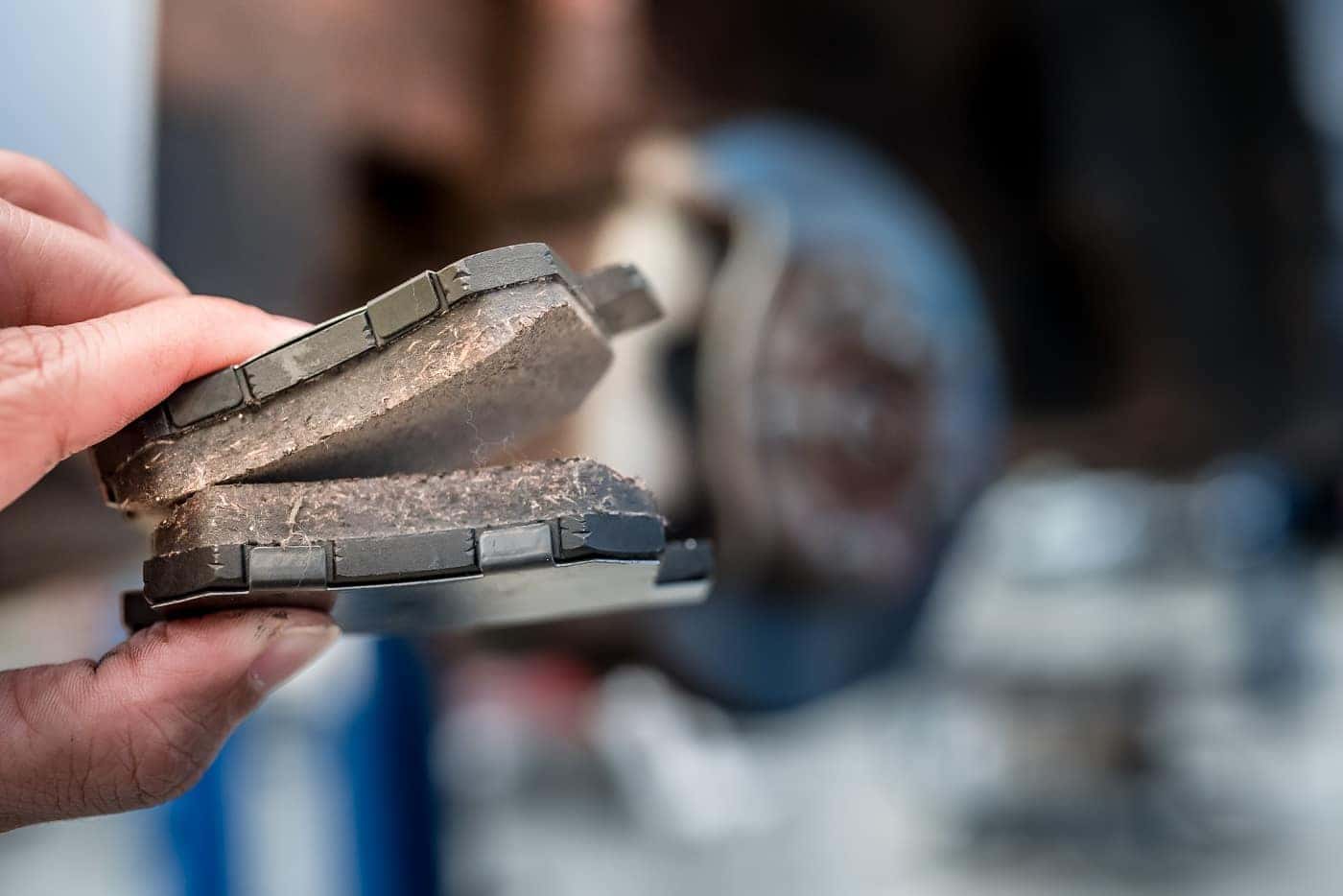
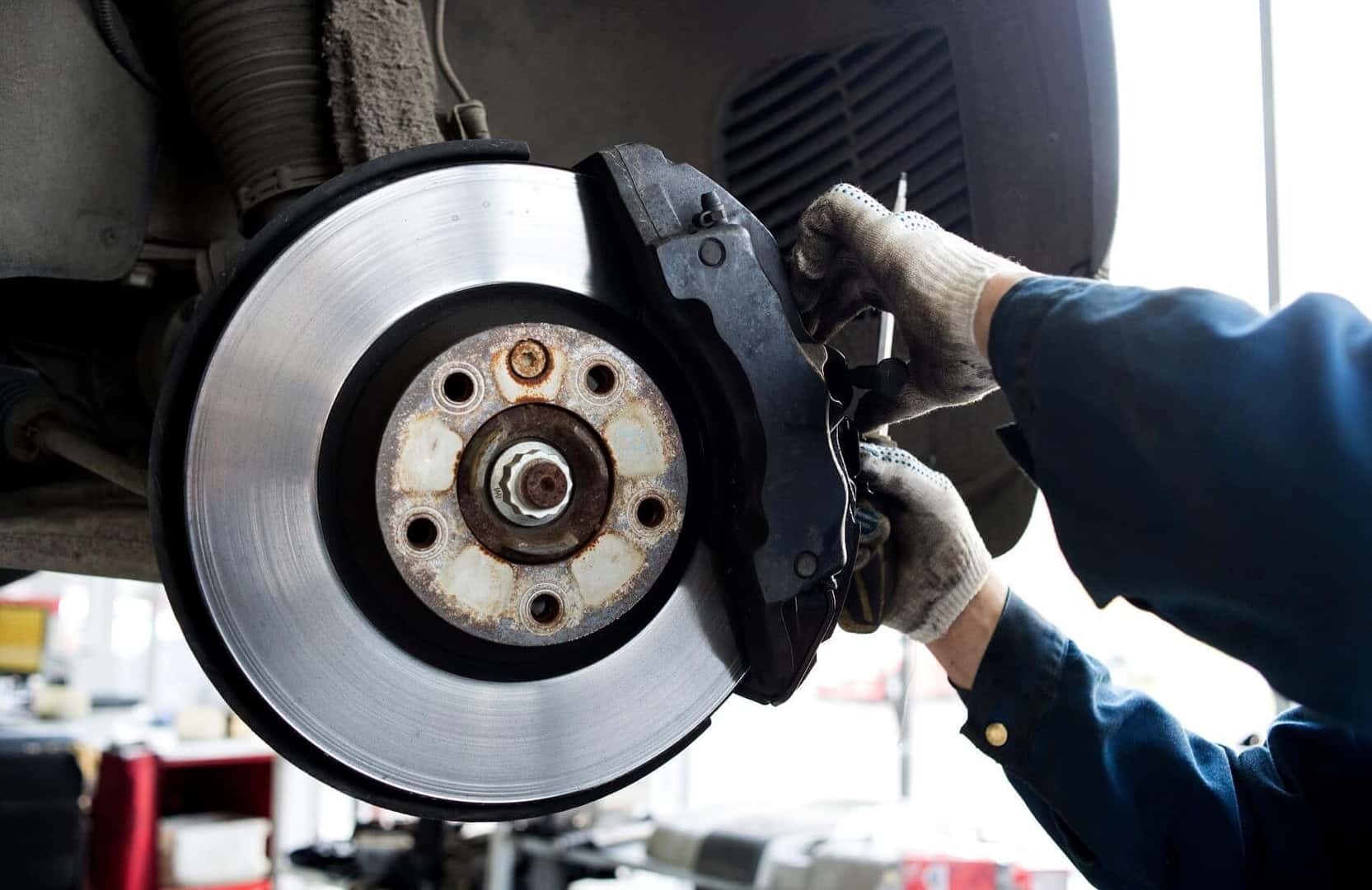
Your brakes are obviously integral to your ability to drive around town. As it is responsible for helping you regulate speed, a functional braking system is crucial to the function of the vehicle and your safety behind the wheel. So, how do your brakes work?
When you press your brake pedal, it’ll send pressure through the brake lines. This pressure will travel through the lines to the brake calipers. The calipers house the brake pads, and will use this pressure to squeeze the pads against the rotors. In turn, this will create the friction needed within the wheels to slow and stop.
So, while braking seems quite simple, there is actually a pretty complex process at work.
On average, Littleton-area drivers will want to schedule brake repair roughly every 50,000 miles. This is how often most brake pads are built to last. The technicians at your local service center will also check out your braking system with every oil change, which you should be scheduled every 7,500 miles, or at least yearly (whichever comes first).
Other signs that you should schedule service include:
We also recommend watching for two lights on your dashboard. The first is a red light that says BRAKE. When you see this light, check to make sure that your parking brake isn’t engaged. If it isn’t, then there may be an issue with your braking system. Schedule service as soon as possible and refrain from driving until you’ve had a professional address the issue.
The other light to watch out for is a yellow indicator that says ABS. This could signal a fault with the anti-lock braking system (ABS). Your brakes will still work normally, but without the added protection of ABS. Make an appointment with a certified service center to have the system checked.
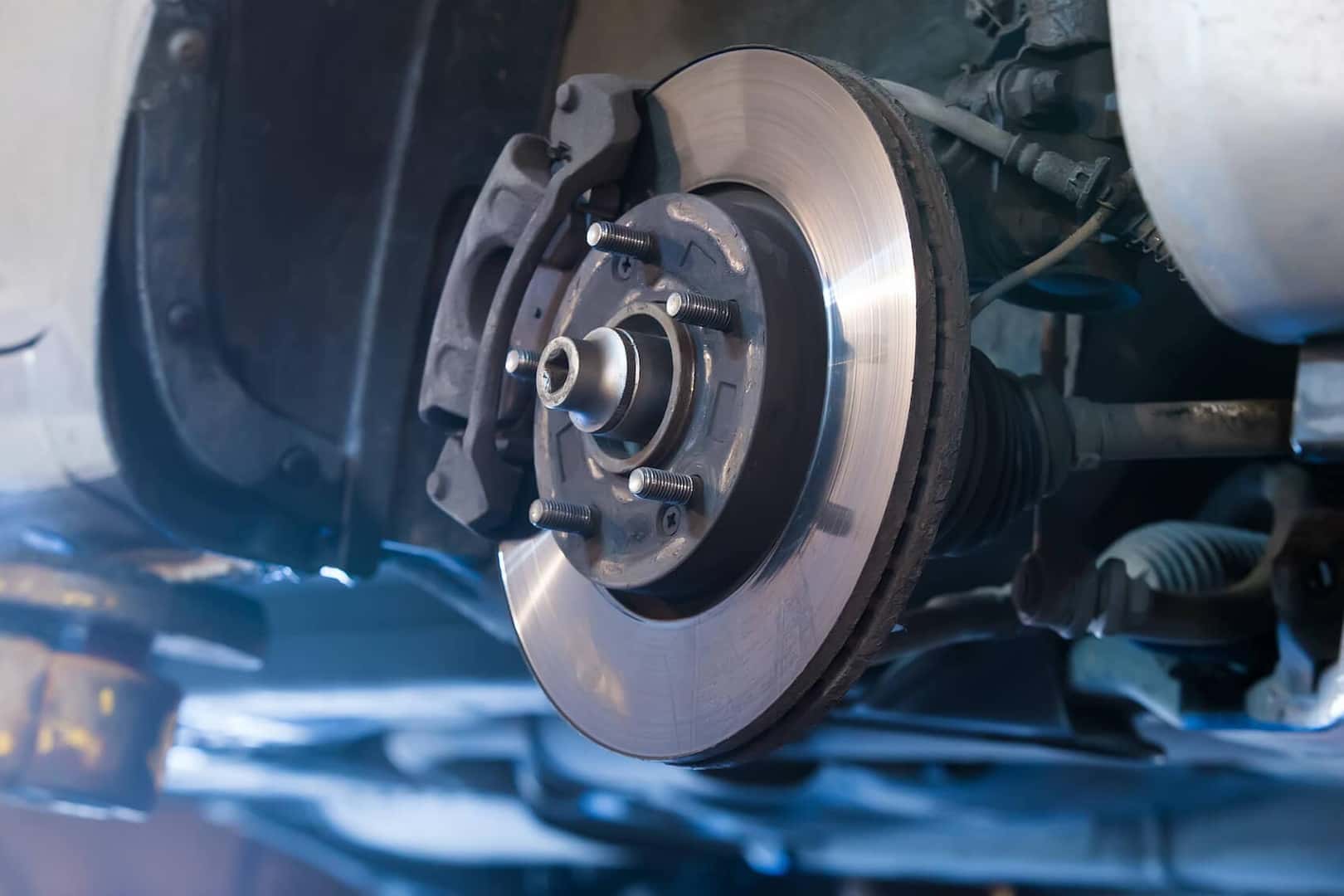
While your brake pads are the component that will need the most frequent attention when it comes to servicing your braking system, the other parts will need attention at some point or another. The brake rotors, for example, are other components that endure heavy friction. The rotors will need to be replaced between every 50,000 to 70,000 miles.
Of course, the brake lines, calipers, hoses, and other components could also need attention down the line. So, when you suspect braking issues and bring your vehicle in, we’ll get under the hood and conduct an inspection in order to pinpoint which part(s) need repair.
Once your vehicle enters the shop, our trained technicians will get down to work. Each of our team members is trained and well-versed on the ins and outs of automotive repair. So, you can count on high-level care when your drop your vehicle off.
Our technicians also have access to a state-of-the-art service facility. So, as they get to work, they will have all of the equipment needed to get the job done efficiently and effectively.
If you’re ready to schedule brake repair near Littleton, Colorado, contact the team at McDonald Volkswagen. We’ll get your car checked out and fixed up, so you can get back out on the road as soon as possible.
Contact us to schedule service today!